Skills & Livelihoods
Skill Development Programs for Youth in India: Creating Pathways to Employment and Self-Reliance
07 Oct 2026
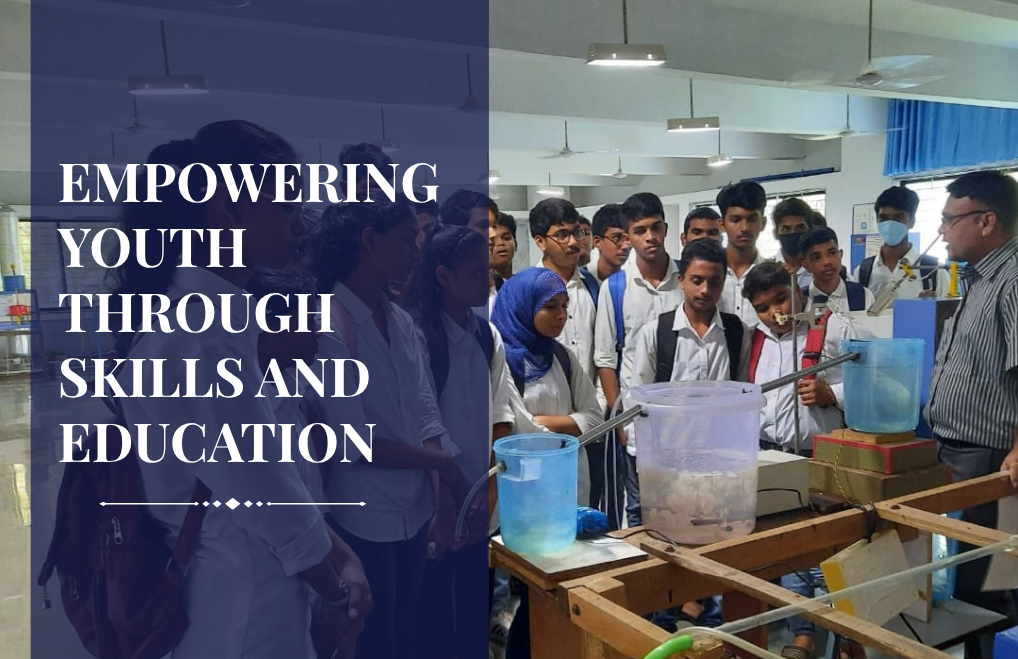
For millions of young people across India’s semi-urban, rural and underserved regions, completing secondary education is a moment of immense hope. Yet, for many, that milestone is quickly followed by an unsettling reality: formal job markets require practical expertise, higher education costs remain out of reach, and local employment opportunities are often scarce.
Without targeted guidance, market-aligned trade skills, vocational training opportunities or financial support, bright young minds risk being trapped in underemployment and economic uncertainty. Bridging this gap requires more than education alone. It demands a combination of skill development, industry exposure and sustained support that enables young people to confidently participate in today’s evolving workforce.
At Mukul Madhav Foundation (MMF), we believe that youth empowerment goes far beyond handing out course certificates. It is about creating pathways that connect education with employability, helping young adults acquire practical skills, access opportunities and build dignified, self-reliant futures. Through our skill development programs for youth, vocational training initiatives and educational support interventions, we are working to equip young people with the tools they need to succeed and contribute positively to their communities.
Skill Development Programs for Youth: MMF’s Approach
MMF’s youth-focused initiatives are designed around a simple but powerful idea: sustainable livelihoods begin with relevant skills, quality education and meaningful employment opportunities. By addressing both learning and livelihood needs, we help youth move from aspiration to achievement.
Our work focuses on four key pillars:
- Industry-aligned vocational training
- Correctional facility skill development programmes
- Apprenticeships and livelihood connections
- Educational scholarships and academic support
Together, these initiatives help create a stronger foundation for long-term youth empowerment and economic resilience.
Vocational Training and Technical Skill Development for Youth
One of the biggest challenges facing young job seekers today is the mismatch between academic qualifications and workplace requirements. To address this, MMF collaborates with government ITIs, skilling centres and community organisations to deliver demand-driven training programmes that respond to local employment needs.
Plumbing and Sanitation Training
MMF supports government-certified plumbing courses that equip young people with practical trade skills and hands-on experience. These programmes are designed to improve employability while also encouraging self-employment and entrepreneurship.
Importantly, these opportunities are also extended to girls, helping break traditional barriers and promoting greater participation of women in technical professions.
Healthcare Technical Training
The healthcare sector offers significant employment potential for skilled youth. MMF supports underprivileged students through specialised training in radiology and dialysis, helping them acquire industry-relevant skills and access stable career opportunities in hospitals, clinics and diagnostic centres.
Digital Literacy and Computer Applications
Digital skills are increasingly essential across industries. MMF operates computer literacy and digital education programmes at its skilling centres in Masar village, Gujarat, and Ratnagiri, Maharashtra. These programmes prepare youth for modern workplaces by strengthening their computer proficiency, communication capabilities and administrative skills.
By investing in vocational training and technical education, MMF is helping young individuals build careers that support both personal growth and financial independence.
Skill Training Inside Correctional Facilities
Empowerment should be accessible to everyone, including individuals who are working towards rebuilding their lives after incarceration. Through skill development initiatives in correctional facilities, MMF supports rehabilitation by providing inmates with practical trades that can help them secure livelihoods after release
Vadodara Central Jail, Gujarat
In partnership with Government ITI Tarsali and United Way of Baroda, MMF launched a plumbing training programme aimed at equipping 80 inmates with essential vocational skills. The programme combines classroom instruction with hands-on practical training, helping participants develop technical competence, discipline and confidence.
One participant, Ravi (name changed), has been in custody since 2019. During the programme, he designed plumbing awareness posters that are now displayed in the training classroom, reflecting the confidence and sense of purpose fostered through skill development.
Satara Jail, Maharashtra
MMF also supported a month-long welding training programme for inmates at Satara Jail. The course enabled participants to learn practical skills that can improve employability and facilitate constructive reintegration into society upon release.
By teaching market-relevant trades within correctional facilities, these initiatives promote rehabilitation, self-respect and opportunities for a more secure future.
Apprenticeships and Employment Opportunities for Youth
Skill development is most effective when it is connected to real earning potential. Training alone is not enough; young people also need access to practical experience, industry exposure and employment opportunities.
To bridge this gap, MMF works with local enterprises, industry partners and community networks to help trainees access apprenticeships, on-site learning opportunities and placement support. These experiences provide valuable workplace exposure, strengthen employability and ease the transition from training to meaningful livelihoods.
Across its skill development and livelihood programmes, MMF has helped more than 5,000 women , 500 youth and 12 persons with disabilities access sustainable income opportunities and strengthen their economic independence.
By connecting skills with employment pathways, MMF ensures that learning translates into real-world outcomes.
Educational Support and Scholarships for Students
For many talented young people from economically vulnerable families, financial barriers often stand in the way of higher education. Tuition fees, textbooks, accommodation costs and study materials can make continuing education difficult, even for highly motivated students.
Recognising this challenge, MMF provides educational support to deserving students from low-income and under-resourced households. Through scholarships and direct academic assistance, the Foundation helps ensure that financial hardship does not prevent students from pursuing their educational aspirations.
In July 2026, MMF signed an agreement with SAMPARC Balgram to support 50 girls, helping them continue their education and work towards long-term self-reliance.
Educational support plays a crucial role in youth development. By investing in students today, we help create future professionals, entrepreneurs and community leaders who can contribute meaningfully to society tomorrow.
How Skill Development Contributes to Youth Empowerment
Youth empowerment begins when young people gain the confidence and capability to take charge of their futures. Skill development is a critical enabler of that transformation.
When youth acquire vocational, technical and digital skills, they become better equipped to:
- Secure meaningful employment
- Start their own businesses
- Support their families financially
- Participate in local economic growth
- Make informed personal and professional decisions
Beyond economic benefits, skill development fosters confidence, self-respect and independence. It empowers young individuals to see possibilities where barriers once existed and to become drivers of positive change within their communities.
The Human Impact: Transforming Families and Communities
The impact of skill development extends far beyond an individual beneficiary. When one young person gains access to education, vocational training or employment, entire families and communities benefit.
Stronger Families
A steady source of income helps families manage daily expenses, reduce financial stress, access healthcare and invest in the education of younger siblings.
Rehabilitation and Hope
For inmates participating in vocational training programmes, learning a practical trade creates a pathway towards self-reliance and reintegration into society with dignity.
Inspiration for Future Generations
Young people who succeed through education and skill development often become role models within their villages and neighbourhoods. Their achievements inspire others to pursue learning, career development and entrepreneurship.
Stronger Communities
A skilled and employable workforce contributes to local economic development, improved livelihoods and greater community resilience.
Building Sustainable Futures Together
Empowerment is not achieved through one-time interventions. It requires consistent mentorship, practical learning opportunities and a sustained belief in every young person’s potential.
At Mukul Madhav Foundation, we remain committed to creating opportunities that connect education with employability, skills with livelihoods and ambition with achievement. Through skill development programs for youth, vocational training initiatives, apprenticeships and educational support, we are helping young people build resilient, self-reliant futures.
By investing in youth today, we are strengthening families, supporting communities and contributing to a more inclusive and prosperous tomorrow.
Frequently Asked Questions (FAQs)
What are skill development programs for youth?
Skill development programs for youth are training initiatives that help young people acquire technical, vocational, digital and professional skills required for employment, entrepreneurship and career growth.
Why is vocational training important for young people?
Vocational training equips youth with practical, industry-relevant skills that improve employability and create opportunities for sustainable livelihoods and self-employment.
How does skill development help youth empowerment?
Skill development improves confidence, enhances career opportunities, promotes financial independence and enables young people to actively contribute to economic and social progress.
What types of skill development initiatives does MMF support?
MMF supports vocational training, plumbing programmes, healthcare technical education, digital literacy initiatives, apprenticeships, livelihood connections and educational support programmes.
How do scholarships help students from economically vulnerable backgrounds?
Scholarships and academic support reduce financial barriers to education, enabling deserving students to continue their studies, pursue higher education and achieve long-term career goals.
How do apprenticeships improve employability?
Apprenticeships provide practical workplace exposure, hands-on experience and industry knowledge, helping young people transition more effectively from education to employment.