Skills & Livelihoods
Community Development Programmes in India: Strengthening Rural Communities Through Sustainable Development
07 Oct 2026
In rural India, true progress is rarely achieved through isolated, single-issue solutions. A community’s well-being is deeply interconnected. Healthcare influences a child’s ability to attend school, education shapes future livelihood opportunities, and access to clean water and sanitation directly impacts the health, safety and productivity of entire families. When one essential need goes unmet, the effects are often felt throughout the community.
Sustainable development requires a holistic approach that addresses these interconnected challenges together. Rather than relying on short-term interventions, effective community development programmes focus on building long-term systems of support that empower communities to thrive independently. By strengthening healthcare, water security, environmental sustainability and social infrastructure simultaneously, rural communities can become more resilient and self-reliant.
Community development programmes play a vital role in advancing rural development in India by improving access to essential services, creating healthier living conditions and supporting sustainable growth. When communities are empowered with the right resources and opportunities, they are better equipped to overcome challenges and build a stronger future.
At Mukul Madhav Foundation (MMF), our community development programmes are guided by a simple yet powerful principle: lasting change happens when we work alongside communities, respecting local knowledge while creating access to new opportunities and resources. This integrated approach has enabled MMF to adopt more than 15 villages across India, providing over 1,300 villagers with access to sanitation, clean water, healthcare, electrification, education and even legal guidance. Our work spans tribal villages in Palghar, Gadchiroli and Ratnagiri in Maharashtra since 2017, and villages in Thiruvallur and the Kolli Hills in Tamil Nadu since 2022.
Why Rural Development Is Essential for Sustainable Community Growth
Rural development in India extends far beyond the construction of roads or public facilities. It involves improving overall quality of life through better healthcare, education, environmental management, livelihood opportunities and community infrastructure.
When rural communities have access to essential services, families are healthier, children are more likely to remain in school and individuals gain greater opportunities to improve their economic circumstances. Sustainable rural development creates a foundation upon which communities can build long-term prosperity while preserving local resources and cultural identity.
Community-led development is particularly effective because it encourages participation, ownership and local decision-making. By addressing multiple needs simultaneously, development initiatives become more impactful, inclusive and sustainable.
Community Development Programmes That Support Rural Development in India
MMF’s integrated approach focuses on strengthening the key pillars that contribute to healthier, safer and more resilient rural communities.
Healthcare Initiatives for Rural Community Development
Access to quality healthcare remains one of the most significant challenges in remote and underserved regions. A medical emergency, chronic illness or lack of preventive care can place enormous financial and emotional strain on families.
To address these challenges, MMF works to ensure that healthcare services are accessible to rural communities through a combination of preventive care, awareness programmes and specialised medical support.
Health Camps and Preventive Care
Regular mammography screening camps in Pune and Ratnagiri and monthly eye clinics help identify health issues at an early stage. Since 2014, MMF has supported more than 8,000 cataract surgeries, restoring vision and improving quality of life for thousands of individuals.
Mother and Child Healthcare
In partnership with SEARCH, MMF supports home-based primary healthcare initiatives that focus on maternal and child well-being. Regular monitoring of nutritional health helps improve outcomes for mothers and children in rural communities.
Specialised Medical Support
MMF connects patients requiring advanced medical treatment with partner healthcare institutions. This includes support for more than 900 paediatric heart surgeries through Healing Little Hearts (UK) and monthly nutrition kits for over 1,000 tuberculosis patients across Maharashtra, Gujarat, Rajasthan and Uttar Pradesh.
By bringing healthcare closer to communities, these initiatives contribute significantly to rural development and community well-being.
Water Conservation and Sanitation Projects in Rural India
Water security is fundamental to community development. Reliable access to clean water improves health outcomes, supports agriculture, strengthens livelihoods and reduces the burden placed on women and children.
Water Conservation Projects
Since 2007, MMF has implemented various water conservation projects aimed at reducing the impact of drought and improving water availability in rural communities. These efforts include:
- Cement nala bund construction
- Rainwater harvesting initiatives
- Desilting activities
- Groundwater recharge interventions
Such projects contribute to long-term water conservation in India and help strengthen agricultural sustainability.
Access to Clean Drinking Water
MMF supports communities through the installation of RO water filtration systems, pipeline networks, borewells and water tanker services in water-scarce regions.
These interventions help improve public health while reducing the daily burden of water collection on rural households.
Dignified Sanitation and Hygiene
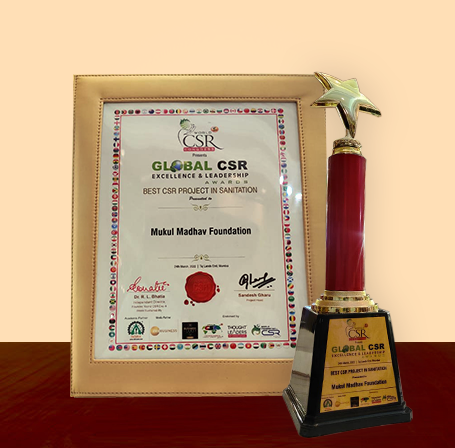
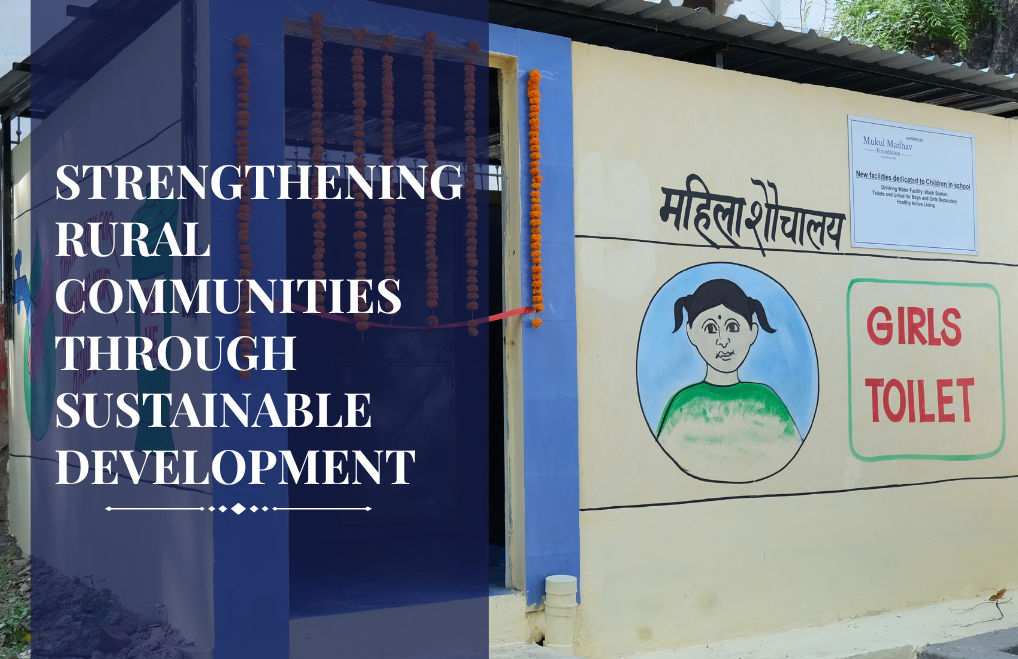
Access to sanitation is essential for both health and dignity. MMF has supported sanitation infrastructure in 52 schools across Ratnagiri and Satara while also constructing solar-lit household toilets through local labour participation.
As a result of these efforts, 23 tribal villages in Maharashtra have become open defecation-free.
Women, Water and Empowerment
Access to clean water and sanitation is closely linked to women empowerment in India. When women spend less time collecting water, they gain more time for education, livelihood activities, self-help groups and community leadership.
This shift not only improves individual well-being but also contributes to stronger and more inclusive rural development.
Period-Positive Spaces
MMF supports 15 Period Positive Holiday Homes in Gadchiroli, benefiting more than 1,500 women by providing safe and dignified spaces for menstrual health management.
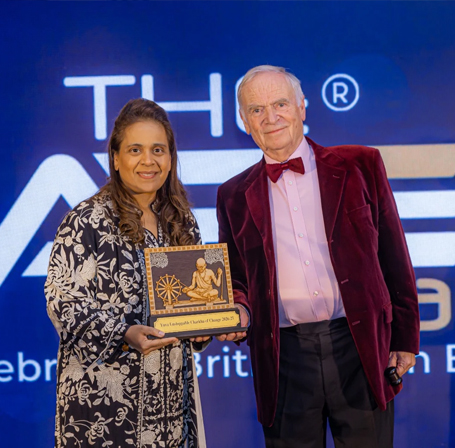
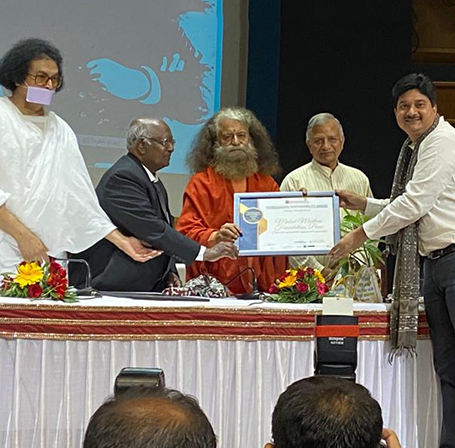
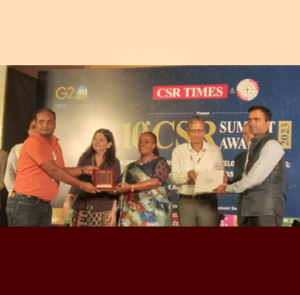
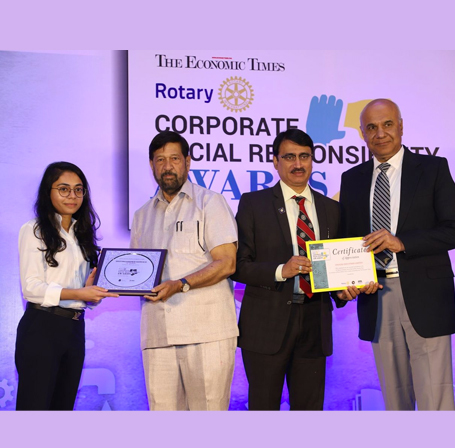
MMF’s efforts in clean drinking water and sanitation were recognised with the Vivekananda Sustainability Award 2022.
Environmental Sustainability and Tree Plantation Drives
Environmental sustainability plays a critical role in protecting rural livelihoods. Communities dependent on agriculture and natural resources are often among the first to experience the effects of environmental degradation and changing climate conditions.
Through environmental conservation initiatives, MMF works to strengthen ecological resilience while supporting community development goals.
Community Tree Plantation Drives
Tree plantation drives help restore green cover, improve biodiversity and prevent soil erosion. MMF has planted more than 18,678 trees across Maharashtra and Gujarat, contributing to healthier ecosystems and stronger environmental sustainability outcomes.
Clean Energy Solutions
MMF promotes sustainable living through clean energy initiatives including:
- Solar lighting systems for 1,250 households in tribal villages of Palghar and Gadchiroli
- Distribution of 100 smokeless chulhas in Gadchiroli villages
These interventions reduce reliance on conventional fuel sources while improving indoor air quality and household well-being.
Building Climate-Resilient Communities
Environmental sustainability is an important component of rural development in India. By protecting natural resources and promoting sustainable practices, communities become better equipped to manage environmental challenges and secure their future livelihoods.
Infrastructure Development for Stronger Rural Communities
Community infrastructure creates the foundation for safe, connected and thriving villages. Access to reliable public facilities helps improve education, safety, mobility and overall quality of life.
Brighter and Safer Villages
MMF has installed LED streetlights in Jalalpur village in Maharashtra and Kahanva village in Gujarat, making public spaces safer and more accessible during evening hours, particularly for women and children.
Improving Educational Infrastructure
By providing clean water, sanitation facilities and improved infrastructure in rural schools, MMF helps create safe and healthy learning environments where children can focus on education and development.
Strong community infrastructure enhances social well-being and supports sustainable community growth.
The Human Impact: Building Self-Reliant Villages
When healthcare, water security, environmental sustainability and infrastructure development work together, the impact extends across generations.
Healthier Communities
Regular health screenings, improved sanitation and access to clean drinking water help reduce preventable illnesses and enable children to attend school consistently.
Time and Opportunity for Women
Improved water access reduces hours spent collecting water, allowing women to participate in livelihood programmes, self-help groups, education and skill development activities.
Stronger Civic Participation
When basic needs are met, communities are better positioned to participate in local decision-making, address community challenges and take ownership of their development journey.
Sustainable Rural Development
Integrated community development programmes help create self-reliant villages where people have access to the resources and opportunities needed to achieve long-term prosperity.
Growing Together for the Future
Building strong and self-reliant rural communities is not a short-term undertaking. It requires consistent engagement, community participation and a commitment to sustainable development that addresses the needs of every individual.
At Mukul Madhav Foundation, we believe meaningful change happens when healthcare, water conservation, environmental sustainability and community infrastructure come together to create lasting impact. Through community development programmes focused on holistic rural development in India, we continue to partner with communities as they build healthier, more resilient and self-sufficient futures.
Because sustainable development is not simply about improving infrastructure. It is about empowering people, strengthening communities and creating opportunities that benefit generations to come.
Frequently Asked Questions (FAQs)
What are community development programmes?
Community development programmes are initiatives designed to improve healthcare, education, water access, sanitation, livelihoods and infrastructure, thereby enhancing the overall quality of life within communities.
Why is rural development important in India?
Rural development improves living standards, strengthens access to essential services, creates livelihood opportunities and contributes to inclusive economic growth across the country.
How do water conservation projects help rural communities?
Water conservation projects improve water availability, support agriculture, strengthen groundwater resources and increase community resilience during drought conditions.
What role does environmental sustainability play in community development?
Environmental sustainability protects natural resources, supports rural livelihoods, reduces environmental risks and promotes long-term community resilience.
How do NGOs contribute to rural development in India?
NGOs contribute through healthcare initiatives, education programmes, water conservation projects, environmental sustainability efforts, livelihood development and community infrastructure improvements that support sustainable growth.
How does access to clean water empower women?
Access to clean water reduces the time spent on water collection, allowing women to pursue education, livelihood opportunities, skill development and greater participation in community leadership.