Gender Equality
Women Empowerment in India: Building Sustainable Livelihoods for Rural Women
07 Oct 2026
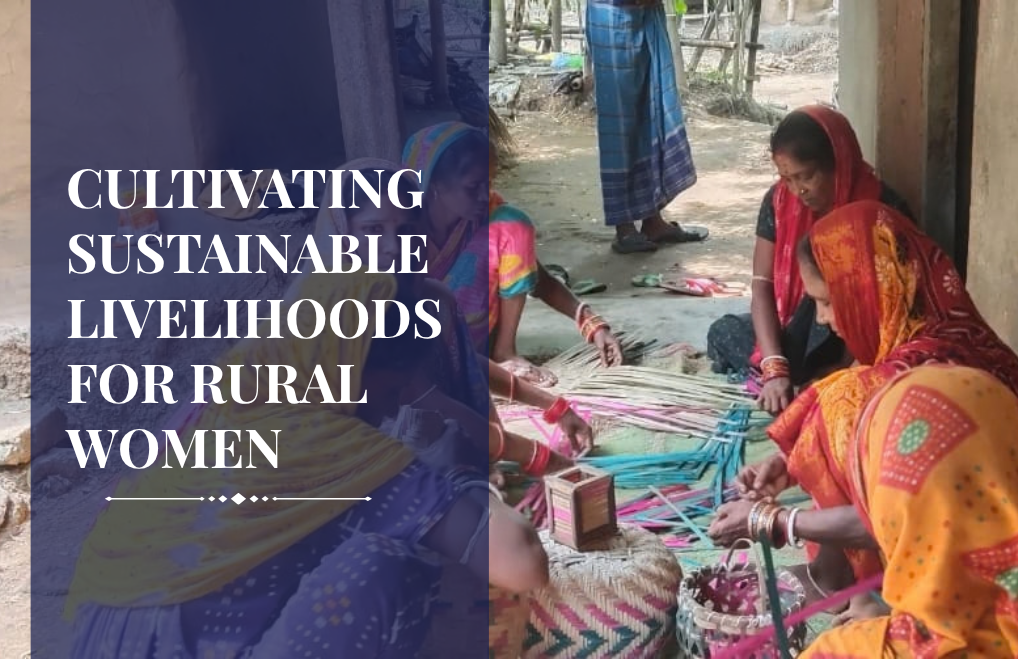
In many rural households across India, economic survival is a daily balancing act. Small landholdings, seasonal employment, unpredictable weather conditions and limited access to resources often make it difficult for families to maintain a stable income. During times of crisis, whether due to crop failure, health emergencies or the loss of a primary earning member, women are often the ones who step forward to hold their families together.
Women’s empowerment in India begins with economic independence. When women have access to sustainable livelihood opportunities, skill development programmes and community support, they gain the confidence and capability to transform not only their own lives but also the future of their families. At Mukul Madhav Foundation (MMF), we believe that meaningful empowerment goes beyond short-term assistance. It is about creating opportunities that enable women to become self-reliant, financially secure and respected contributors to their communities.
Through our women empowerment initiatives and rural development programmes, we work towards building sustainable livelihoods that create lasting impact. This is the essence of #GiveWithDignity™.
Sustainable Livelihood Programmes for Women Through Livestock Development
In villages such as Gamatha, Gujarat, livestock rearing plays a crucial role in supporting rural households. While farming remains a primary source of livelihood, livestock often provides a more consistent source of income throughout the year. However, rising fodder costs during dry seasons can significantly impact family earnings and place additional financial pressure on women managing household expenses.
Through its Rural Development Project, MMF works closely with women, farmers and self-help groups to strengthen livestock-based livelihoods through sustainable interventions.
Key initiatives include:
- Resilient Agricultural Inputs: Distribution of high-yielding BNS-11 Hybrid Napier grass stumps, a perennial fodder crop that provides multiple harvests throughout the year.
- Reduced Household Expenses: Locally cultivated fodder reduces dependency on expensive commercial feed.
- Improved Livestock Health: Access to quality fodder supports healthier cattle and improved milk production.
- Stable Income Opportunities: Consistent livestock productivity helps create dependable daily earnings for families.
One such beneficiary is Sumitraben Natubhai Padhiar from Gamatha village, who received 1,000 BNS-11 grass stumps and cultivated them across her land. The initiative improved the quality of fodder available for her livestock, resulting in better productivity, increased income and greater household stability.
Similarly, in Chikhli village, Sarlaben Gavit, a member of the Aradhana Sakhi Mandal, faced significant financial hardship when her cow was unable to conceive for over eighteen months despite substantial expenditure on its care. Through MMF’s livestock healthcare support, the animal received appropriate treatment and successfully conceived, helping restore a valuable source of livelihood for the family.
These interventions demonstrate how sustainable livelihood programmes for women can strengthen economic resilience while contributing to broader rural development goals.
Empowering Widowed Women Farmers Through Rural Development Initiatives
In drought-prone districts such as Osmanabad, Maharashtra, widowed women often face multiple challenges, including financial insecurity, agricultural debt and limited social support. Recognising this need, MMF has been supporting widowed women farmers since 2019, helping them regain confidence, rebuild livelihoods and achieve financial independence.
To date, the programme has benefited more than 700 widowed women through targeted interventions such as:
- Agricultural Support: Distribution of quality soya and tur seeds to reduce cultivation costs.
- Skill Development and Market Linkages: Training in packaging, pricing, marketing and land-related processes.
- Income Generation Opportunities: Equipping women with practical knowledge to maximise returns from agricultural activities.
- Educational Support: Providing educational kits for children from beneficiary families.
The impact of these efforts has been remarkable. Over time, many women from the initial beneficiary groups achieved economic self-reliance and voluntarily encouraged MMF to extend support to other widows in need. Their success reflects the true spirit of women empowerment, where beneficiaries evolve into community champions who inspire and support others.
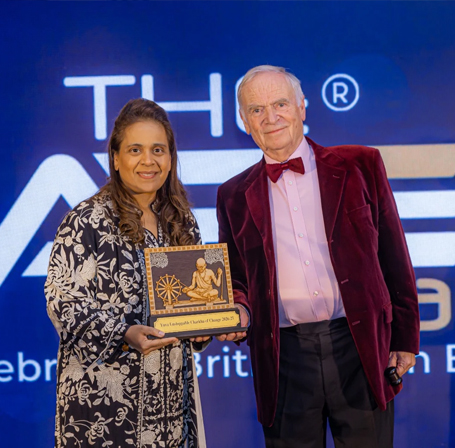
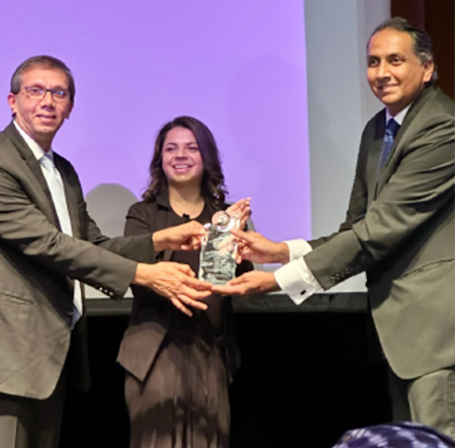
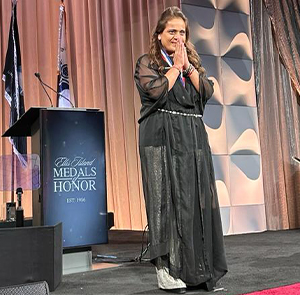
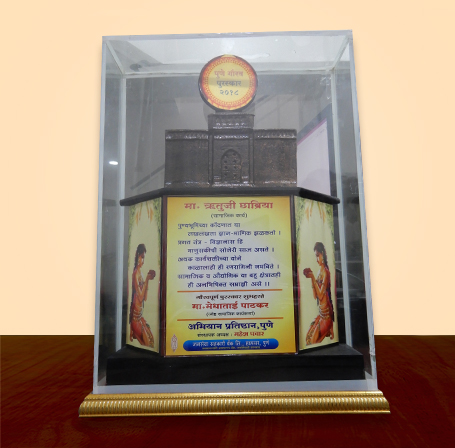
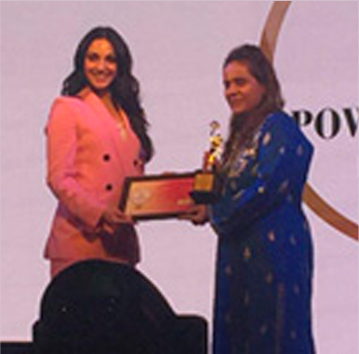
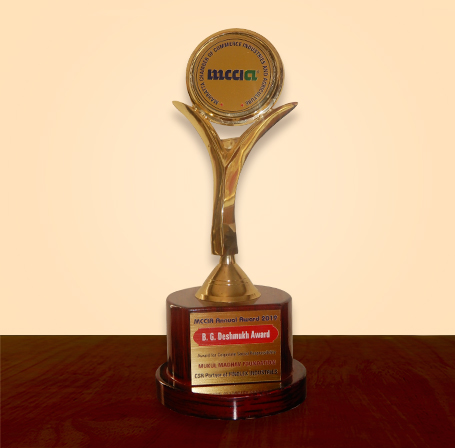
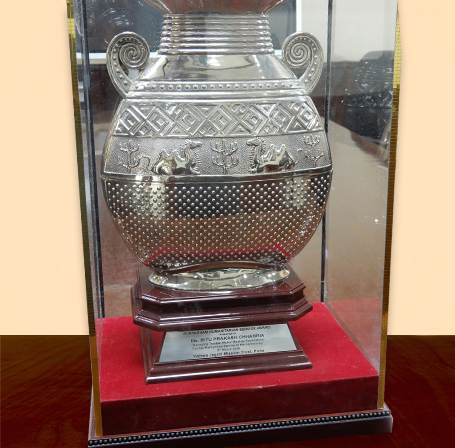
In recognition of this meaningful work, MMF received the Corporate Catalyst Award from the Global Fund for Widows, New York, in November 2023.
Skill Development for Women and Women-Led Enterprises
Skill development for women is one of the most effective pathways to long-term economic empowerment. Beyond agriculture, creating opportunities for vocational training and entrepreneurship enables women to diversify income sources and build sustainable businesses.
As a women empowerment NGO, MMF collaborates with self-help groups, local institutions and vocational training centres to create livelihood opportunities for rural women.
Key initiatives include:
Tailoring and Vocational Training
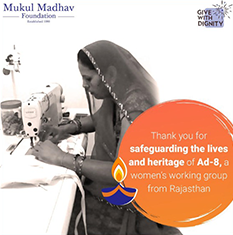
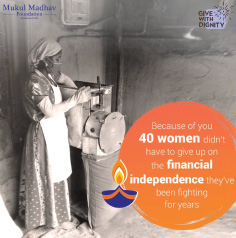
Since 2018, more than 120 women have graduated from tailoring programmes supported by MMF. These skills allow women to generate income independently while balancing household responsibilities.
Supporting Women-Led Enterprises
MMF supports women entrepreneurs through initiatives such as:
- SNR Spice Masala Unit
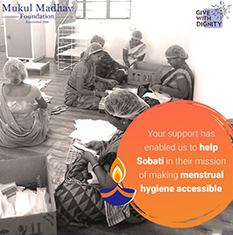
- Sobati Sanitary Napkin Production Unit
These enterprises enable women to participate actively in local economies while creating employment opportunities within their communities.
Strengthening Self-Help Groups
Self-help groups play a vital role in women’s empowerment by fostering financial literacy, collective decision-making and entrepreneurship. By encouraging collaboration and mutual support, these groups become powerful platforms for sustainable community development.
Creating Safe and Dignified Spaces for Women
Economic empowerment must be accompanied by dignity, health and well-being. In Gadchiroli, MMF supports Period Positive Holiday Homes across more than 18 villages, benefiting over 1,500 women.
These facilities provide safe and comfortable alternatives to traditional menstrual isolation practices, enabling women to rest and interact without stigma or exclusion.
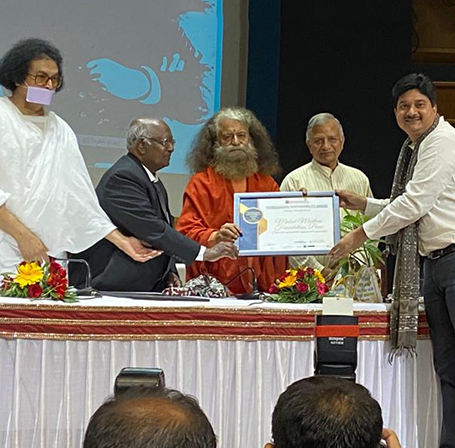
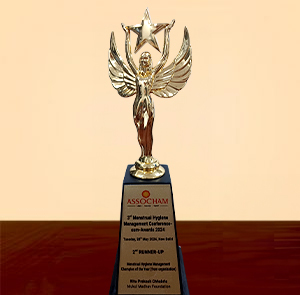
The initiative was recognised nationally and was named the 2nd Runner-Up at the 2024 ASSOCHAM MHM Conference and Awards.
By addressing social barriers alongside economic challenges, MMF’s women welfare initiatives contribute to a more inclusive and supportive environment where women can thrive.
The Ripple Effect of Women’s Economic Empowerment
When a woman becomes financially independent, the benefits extend far beyond her individual success.
Additional income often contributes to:
- Better nutrition for families
- Improved healthcare access
- Educational opportunities for children
- Increased household savings
- Greater resilience during emergencies
Research and experience consistently show that empowered women invest significantly in the well-being of their families and communities. Daughters are more likely to stay in school, household decision-making becomes more inclusive and communities become stronger.
Women’s empowerment is not simply about earning an income. It is about creating equal opportunities, strengthening confidence and enabling women to participate fully in social and economic development.
Building Sustainable Futures Together
Real and lasting change requires patience, trust and long-term commitment. Sustainable livelihood programmes create opportunities that empower women to move from dependency to self-reliance, from uncertainty to stability and from daily struggle to long-term prosperity.
At Mukul Madhav Foundation, we believe that every woman deserves the opportunity to build a secure future for herself and her family. Through skill development, agricultural support, entrepreneurship initiatives and community-driven development programmes, we continue working towards a future where women are empowered to lead, contribute and thrive.
Because when a woman gains the tools to build her own livelihood, she does more than change her life. She strengthens her family, uplifts her community and helps create a more equitable and sustainable future for all.
Frequently Asked Questions (FAQs)
What are livelihood programmes for women?
Livelihood programmes for women provide training, resources, financial assistance and market access that help women generate sustainable income and achieve long-term economic independence.
Why is skill development important for women?
Skill development equips women with practical abilities that improve employability, support entrepreneurship and create opportunities for financial self-reliance.
How do NGOs contribute to women empowerment in India?
NGOs support women through vocational training, self-help groups, entrepreneurship programmes, education initiatives, healthcare interventions and livelihood opportunities that improve social and economic outcomes.
What role do self-help groups play in women’s empowerment?
Self-help groups enable women to save money collectively, access credit, develop business skills and build strong support networks that contribute to financial and social empowerment.
How do sustainable livelihood programmes benefit rural communities?
These programmes improve household incomes, strengthen local economies, support education and health outcomes, and build long-term resilience within rural communities.