Healthcare
The Groundwork for Rain
7th Jan 2026
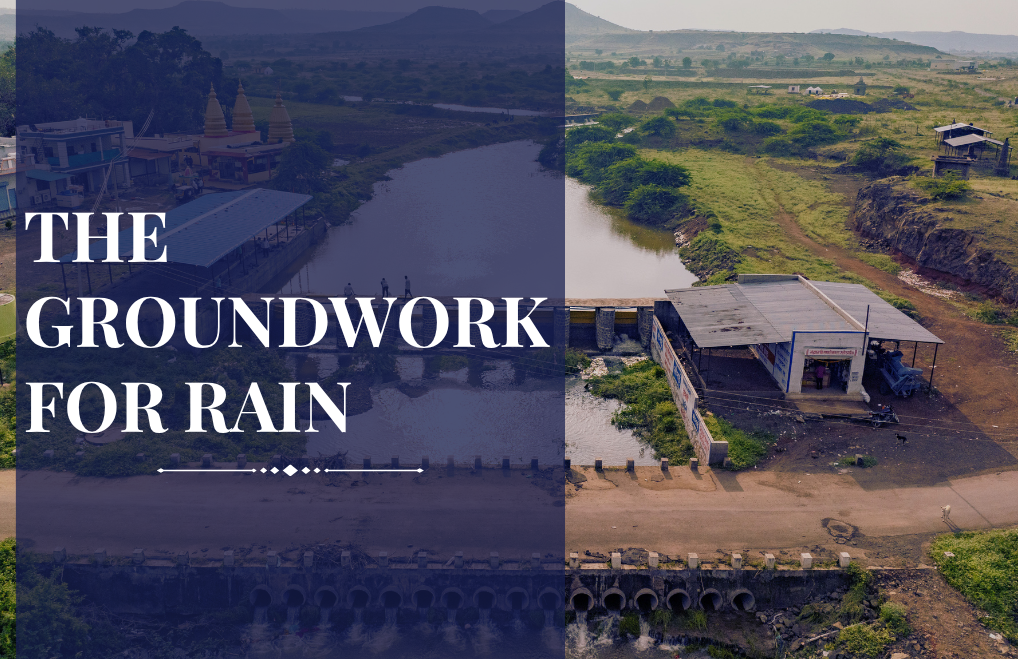
Water is our nation’s lifeline. Particularly in a village, it decides if the crops will survive, if a girl can stay in school, and if a family stays healthy. But for many communities, the arrival of summer brings in a familiar anxiety: the water crisis in India.
At Mukul Madhav Foundation (MMF), we have been working on water projects since 2007. One thing we have learned is that while we cannot control the rain, we can control how much of it we keep.
That is why we always look beneath the surface to address Water, Sanitation, and Hygiene (WASH). Coined and formalised in 2001 by the United Nations, this integrated framework is the bedrock of our work: ensuring safe water is available, providing sanitation systems to keep the environment clean, and fostering hygiene practices that prevent disease. You cannot have one without the others.
India faces a significant “treatment gap”—the percentage of people needing care who do not receive it. According to the National Mental Health Survey, nearly 150 million Indians require mental health services, yet nearly 80% lack access to them. This is compounded by a severe shortage of professionals; India has a fraction of the psychiatrists recommended by global standards.
The Water Stealer: Silt
Imagine a bucket that’s half-filled with mud. No matter how much water you pour in, you’re only ever getting half a bucket of usable water.
This is exactly what happens to our lakes and nallas (streams). Over time, soil and sand wash into these water bodies, settling at the bottom. This ‘silt’ steals the space meant for water. When the monsoons come, the water has nowhere to go; it overflows, runs off, and is lost. By the time the heat hits in April-May, the lake is dry.
Desilting: A Key to Water Conservation in India
Our approach to drought prevention methods is simple. It’s about restoring what’s already there. And when a lake is desilted, the impact ripples through the entire community.
- Deepening the Source: By removing the silt, we’re essentially ‘repairing’ a village’s natural storage. This allows the community to capture millions of extra litres of rainwater that would have otherwise gone to waste. It is one of the most effective, yet simple, rainwater harvesting methods.
- Recharging the Wells: Silt acts like a waterproof seal. Removing it allows the water to actually seep into the ground, recharging the water table and keeping local wells from running dry.
- WASH and Health: You can’t have hygiene without water. Whether it’s supporting our Period Positive Holiday Homes or providing water sanitation in India for our adopted villages, everything starts with a reliable water source
The Invisible Infrastructure: Beyond the Surface
To date, MMF has supported over 75 water projects, but the true measure of success isn’t in the number of dams built—it’s in the depth of the water table. In regions like the Karmala taluka, we have seen how recharging over 150 wells can breathe life back into an entire district.
When we talk about water conservation and climate change, we are talking about creating a “savings account” for the earth. Desilting is the first deposit. By clearing the “mud” from the system, we allow the earth to do what it does best: absorb. This natural absorption is what sustains a village through the grueling months of May and June. It is the difference between a farmer looking at a dry patch of land in despair and seeing a green shoot of hope.
Community Drives Initiatives
Water conservation creates a buffer against the unpredictable. We don’t want to just send in machines and leave. Whether it’s in Satara and Ratnagiri in Maharashtra, or elsewhere, we work with the people who live there to build enough awareness.
You cannot have sustainable sanitation and hygiene awareness if the taps are dry. By ensuring a steady supply through rainwater harvesting methods, we empower schools and healthcare centres to maintain the standards of cleanliness that keep diseases like cholera and typhoid at bay. To support this, we have provided over 90 RO units across villages to ensure that once the water is caught, it is safe to drink.
When a community sees their local water body holding water for three additional months, it changes the perception and the local economy. Farmers can grow a second crop, and women spend less time walking for water and get more time on their own lives. We have seen this transformation first-hand in over 30,000 families who now have a year-round supply of water.
The Distance to Dignity
For a young girl in a remote village, the water crisis isn’t a headline; it’s a heavy pot on her head. When water is scarce, she is the one who walks. When water is contaminated, she is the one who falls ill.
By bringing the source closer to the home through pipelines and community tanks, we are reducing the “distance to dignity.” At schools like Mukul Madhav Vidyalaya (MMV), we’ve integrated these lessons into the curriculum. Students learn about rainwater harvesting and solar-powered pumps not just as science, but as survival. They see the solar energy used on their own campus and realise that environmental sustainability in India isn’t a dream—it’s a conscious, daily choice.
Small Steps, Big Resilience
The water crisis in India is complicated, but can be tackled by the people living in these villages. Our role at MMF is to provide the resources and the ‘know-how’; however, the villagers maintain these processes. From Ratnagiri to the tribal belts of Gadchiroli, we are seeing a shift. A move toward a future where ‘water scarcity’ is a term of the past, replaced by community-led resilience. The importance of water conservation becomes clear when you see a dry village turn green. Drought prevention methods don’t always have to be massive, expensive dams. Often, it’s about cleaning a stream, digging out the mud, and making sure the next rainfall has a place to stay.
A Legacy of Returning Love
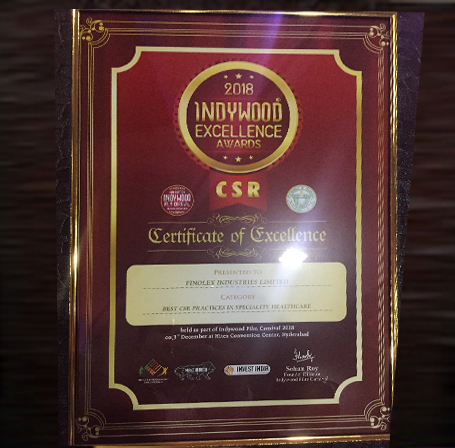
As the CSR partner to Finolex Industries, we see ourselves as more than just an organisation; we are partners in a shared legacy. We believe in “returning love a hundred-fold” to the planet. Whether it is desilting a dam in Khadakwasla to benefit 15 lakh people or ensuring one small tribal hamlet has a working hand-pump, every drop counts.
At MMF, we’re committed to these water scarcity solutions India needs. It is the proud badge and the foundation of a healthy, self-reliant village. Let us remember that the groundwork for rain begins long before the first clouds appear. It begins with us, looking beneath the surface, and ensuring that when the rain finally falls, it has a home.