Empowering Rural Women Through Livestock Care: Sarlaben Gavit’s Story
7th Jan 2026
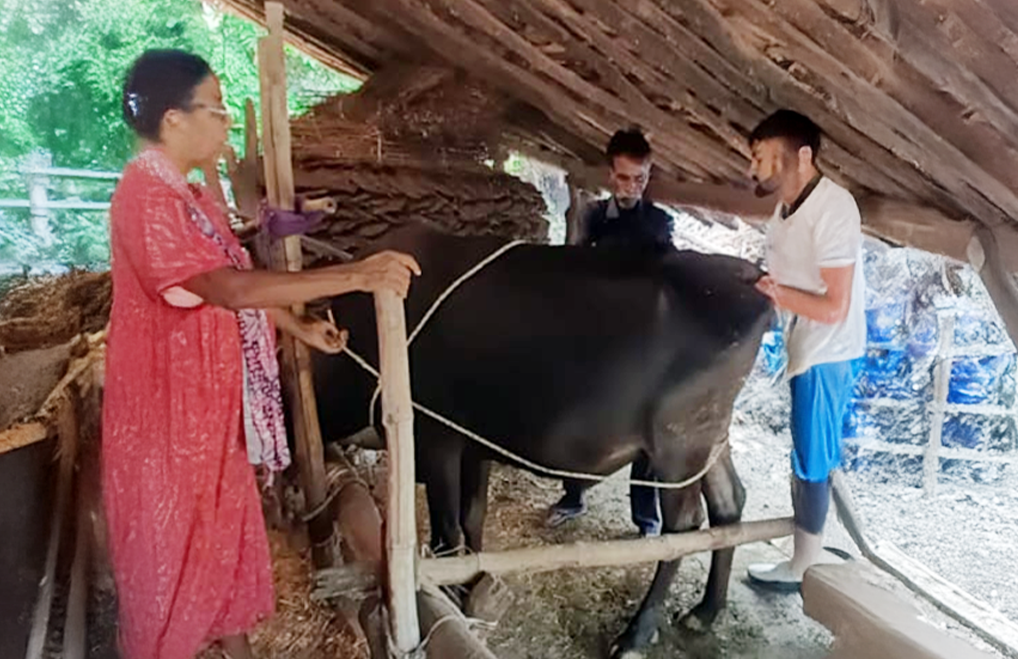
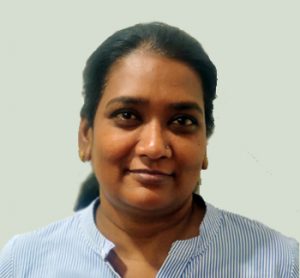
Sarlaben Chandravadhan Gavit lives in Chikhli, Nagdev Faliya in Gujarat. As a member of the Aradhana Sakhi Mandal self-help group, she manages her household and cares for three animals: two lactating cows and a calf. One of the cows, a seven-year-old HFX breed, had previously calved three times. Then, for nearly eighteen months, nothing worked.
During that period, Sarlaben tried repeatedly to address the fertility problem. Eight artificial insemination attempts were carried out through private providers, each one costing money and hope. By the time she added up the figures, she had spent around ₹4,000 on insemination charges alone, and nearly ₹1.18 lakh on rearing costs over eighteen months. The animal was eating and being cared for, producing nothing in return. For a rural household, that imbalance weighs heavily.
When fertility treatment became available through a structured rural programme by Mukul Madhav Foundation, the approach felt different. The experts focused on diagnosis and livestock healthcare as a continuous process. The cow was treated as part of a wider pattern, not a single failed case. In time, the animal conceived successfully. And the team worked to shorten the intercalving gap.
For Sarlaben, the outcome reduced uncertainty. This meant fewer unplanned expenses and less emotional strain for her. She is now able to calculate feed costs, anticipate milk income, and make better decisions. This kind of stability lies at the heart of sustainable livestock farming.
Her role within the household also shifted. Knowledge gained from the experts strengthened her position. This is how women’s empowerment in village settings often takes shape. Sarlaben’s experience reflected the broader role of women in rural development. Even a little support can go a long way.
As a self-help group member, her story travelled through conversation rather than reports. Other women recognised the situation immediately, because they had lived some version of it themselves. Within such rural development initiatives, empowerment is not announced; it is practised.
Sarlaben did not speak of transformation. She spoke of relief, of balance restored, and of work that once again made sense. In that steadiness lies the real meaning of rural women’s empowerment.