Agricultural & Rural Development
Restoring India’s Ecosystems: A Call for Climate Resilience
7th Jan 2026
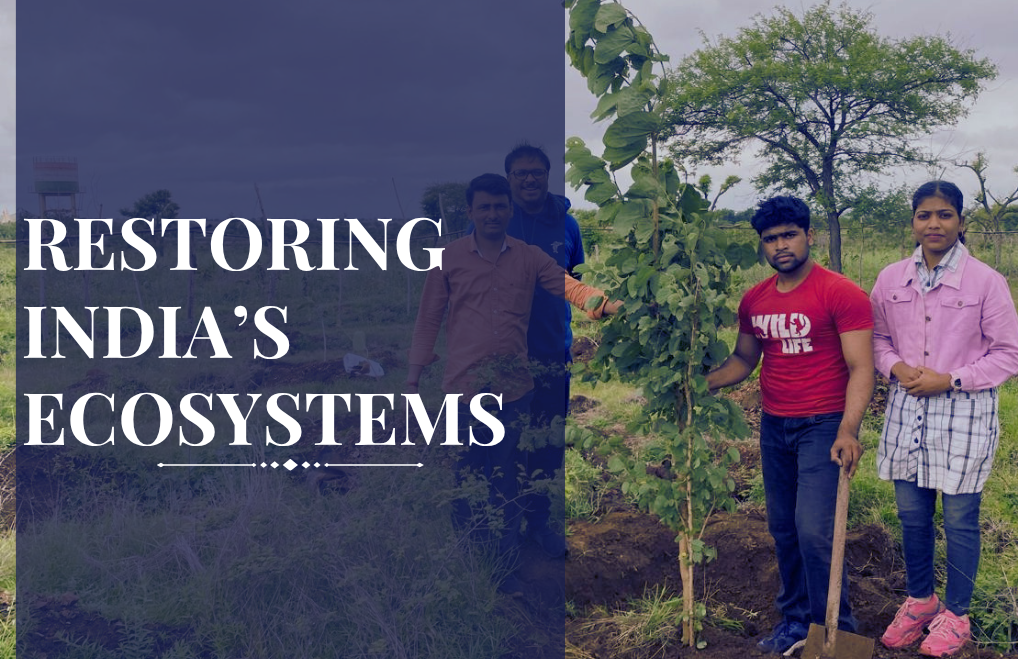
The rising sun on 22nd April brings more than just a change in light; it brings a moment of collective reflection. In India, Earth Day is not merely a date on the calendar but a reminder of our profound interconnectedness with a landscape that is as bountiful as it is vulnerable. Today, the dialogue has shifted from mere preservation to the urgent need for climate resilience strategies that protect our collective future.
At Mukul Madhav Foundation (MMF), we recognize that environmental health is the silent foundation of all social progress. Our work is driven by the principle of “returning love a hundred-fold” to a planet that sustains us. By positioning environmental sustainability in India at the heart of our mission, we aim to bridge the gap between industrial growth and ecological integrity.
The Changing Climate: A Reality for India
The climate change impact in India is no longer a distant forecast; it is a lived reality. We see it in the shifting monsoon patterns that dictate the lives of our farmers in Punjab, landslides in Kerala, and the increasing frequency of extreme weather events in our cities.
Environmental issues in India are complex, often intersecting with socio-economic challenges. For a nation where a significant portion of the population depends directly on the land, the degradation of our ecosystems is not just an ecological crisis – it is a threat to livelihoods. When we talk about environmental sustainability in India, we must look beyond the urban centres. The true heartbeat of our conservation efforts lies in our rural heartlands.
Sustainable development in rural India is the key to creating a buffer against climate shocks. By restoring local ecosystems, we are not just planting trees; we are rebuilding the natural infrastructure that provides water, food, and security to millions.
Sustainable Development in Rural India
We believe that sustainable development in rural India is the primary buffer against climate shocks. By restoring local ecosystems, we are not just planting trees; we are rebuilding the natural infrastructure that provides water, food, and security to millions.
Our approach to sustainable rural development in India is holistic. It involves:
- Watershed Management: Moving beyond temporary relief to long-term water security.
- Community Empowerment: Engaging local villagers to take ownership of their natural resources.
- Infrastructure for Resilience: Building physical structures that align with, rather than work against, the natural environment.
The Power of Ecosystem Restoration
Restoring an ecosystem is like healing a broken link in a chain. Ecosystem restoration in India involves bringing back the natural balance that has been disrupted by overexploitation. Whether it is desilting a local pond, reviving a seasonal ricer, or reforesting a barren hillside, these actions create a ripple effect of resilience.
Biodiversity Conservation in India
A critical component of our strategy is biodiversity conservation in India. While tree plantation is the most visible face of our work, its true success lies in longevity. MMF does not merely count saplings; we actively monitor their growth and impact on local soil.
- Native Species Focus: To date, we have nurtured over 30,000 native trees. These trees serve as vital carbon sinks and act as natural guardians against soil erosion.
- Economic Connectivity: In regions like Panawadi, we support the planting of fruit-bearing trees, which not only restores the local ecosystem in the Western Ghats but also stimulates the rural economy by providing sustainable livelihoods.
Education as a Catalyst for Change
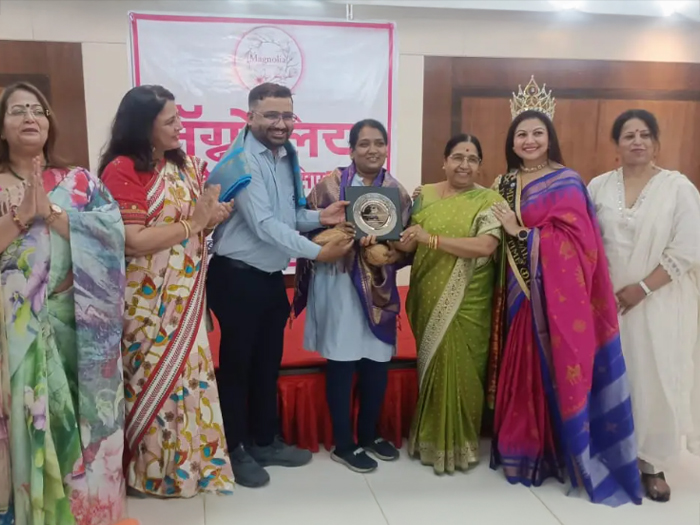
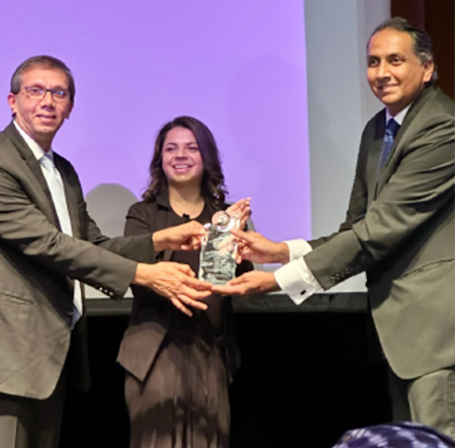
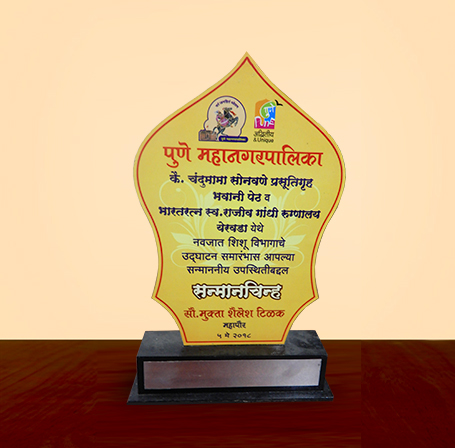
Restoration must be matched by a cultural shift in how we perceive our environment. This philosophy is the heartbeat of Mukul Madhav Vidyalaya (MMV), which was recently honored with the National Green School Award.
MMV serves as a living laboratory for environmental sustainability in India, integrating stewardship into the daily lives of over 600 students:
- Renewable Energy: The campus utilizes solar energy to reduce its carbon footprint.
- Modern Infrastructure: From eco-friendly construction to RO filters for safe drinking water, the school proves that high-quality education and environmental responsibility can go hand-in-hand.
- Student Engagement: Regular beach-cleaning and tree plantation drives instill a sense of ownership and responsibility in the next generation.
Water: The Lifeblood of Resilience
In the context of climate change, water is the primary medium through which we feel the impact. Water conservation and climate change are two sides of the same coin; as global temperatures rise, the importance of both traditional and modern water-harvesting methods becomes paramount.
In rural landscapes, the difference between a thriving crop and a failed harvest often depends entirely on the health of the local water table. MMF’s work in this sector has supported over 75 water projects, benefiting more than 30,000 families.
Strategic Interventions for Water Security
- De-silting Initiatives: By de-silting dams and cleaning percolation tanks, we deepen reservoirs and increase water-holding capacity, allowing the local ecosystem to breathe again.
- Infrastructure Support: We have constructed numerous cement nala bunds and installed water pumps to help communities regain autonomy over their most precious resource.
- Groundwater Recharging: Initiatives such as reviving old wells and promoting rooftop rainwater harvesting are essential to replenishing aquifers in drought-prone regions.
Beyond Planting: A Sustainable Legacy
The role of NGOs in climate change is not a top-down approach. Sustainable development in rural India requires us to look at the long-term impact of our actions, ensuring our growth does not come at the cost of our children’s heritage.
We must ask ourselves: What kind of legacy are we leaving behind?
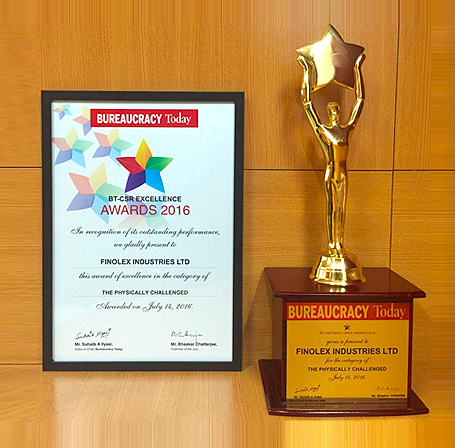
As the CSR partner to Finolex Industries, we have been privileged to work at the intersection of industrial growth and social responsibility, seeing firsthand that when resources are aligned with a sincere purpose, the impact is manifold.
However, the task ahead is too large for any one organisation. It requires a collective shift in how we perceive our environment. Restoring our local ecosystems is an act of “returning love a hundred-fold” to a planet that has given us everything. It is about choosing to do the right thing, even when it is difficult, because we understand that our collective well-being is tied to the health of the earth.
This Earth Day, let us move beyond awareness and toward action. Let us support climate resilience strategies that empower our rural communities. Let us prioritise the importance of environmental conservation in our daily lives, our businesses, and our policies.
At Mukul Madhav Foundation, our mission has always been to uplift the vulnerable. Today, the most vulnerable among us are those whose lives are most directly impacted by a changing climate. By restoring our ecosystems, we aren’t just protecting trees and water; we are endowing dignity to the people who depend on them.
Let us pledge to be more than just inhabitants of this earth; let us be its partners in compassion.