Restoring Pride in Katphal : The Water Conservation Project That Transformed Rural India
16th Jan 2026
The situation in Katphal, a village in Sangola block of Solapur district of Maharashtra, was the same year after year. Every summer, the earth cracked, wells dried up, and families lived in uncertainty. This was a harsh reality before effective water scarcity solutions were found.
The nearby Kasalganga stream was shallow. During the monsoons, rainwater rushed away within hours instead of sinking into the ground. Because a proper rainwater harvesting project was missing, farming failed, debts grew, and young men were forced to migrate to other regions for sugarcane cutting and labour, leaving their families behind.
The Turning Point
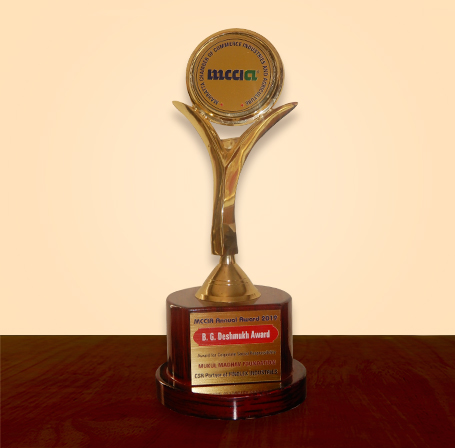
In 2017, Mukul Madhav Foundation and Finolex stepped in to help. What started as a water conservation project quickly became a village movement, paving the way for sustainable rural development.
Datta Kharat looks back on those early days vividly. He shares how the villagers understood that without water, no festival, celebration, or development could truly have meaning. In a remarkable act of collective responsibility, villagers put aside politics and caste and willingly diverted even festival funds to pay for the water work.
Together, as part of a structured watershed development programme, they repaired old check dams, built four new ones, and deepened the stream. When the rains came, this collaborative watershed management project ensured the Kasalganga finally held water.
The Transformation
With water back in the wells, the village completely changed, proving how vital water management for agriculture is to the kind of rural development India needs today.
- Dairy Farming: Maruti Pujari recalls how the village’s economy completely transformed because of water. Earlier, fodder scarcity made dairy farming difficult, and milk production was barely 1,500 litres per day. But as green fodder increased, daily milk production jumped to over 15,000 litres because families could proudly expand their herd.
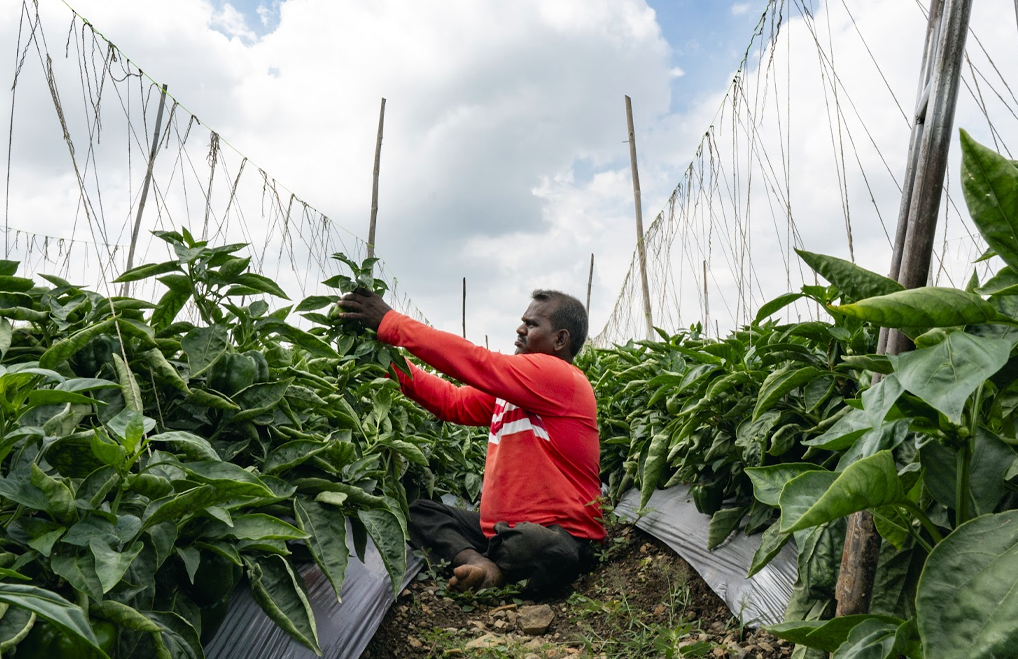
- Cash Crops: Farmers stopped growing basic grains and switched to vegetables, embracing a new model of sustainable agriculture India can replicate and build on, especially focusing on capsicum (bell pepper).
Today, this successful water conservation project in Maharashtra allows Katphal to send 150 to 200 tons of capsicum daily to Mumbai, Delhi, and Kolkata, earning nearly ₹1.25 crore a day during harvest season.
For Laxman Hubale, a differently-abled farmer, there was a time when banks rejected loan applications just because they heard the name ‘Katphal.’ Today, those same banks visit the village to offer support.
The painful migration has stopped. Young men are back home, farming their own fields and hiring workers from neighbouring areas. The local shops are buzzing, and even the village bank has reopened.
By coming together to support water conservation in India, Katphal did not just save its crops, it brought back its dignity and hope.