Healthcare
Mental Health
7th Jan 2026
The Quiet Revolution: How NGOs are Reshaping Mental Health Awareness in India
For decades, mental health in India was a forbidden topic and always discussed behind closed doors. Despite one in seven Indians being affected by mental health issues, the subject remained buried under layers of social stigma and systemic neglect. However, a significant shift is underway. Leading the charge are Non-Governmental Organisations like Mukul Madhav Foundation (MMF) and the Mental Health Foundation (India), which are working tirelessly to transform the narrative to one of proactive support.
The Magnitude of the Challenge
India faces a significant “treatment gap”—the percentage of people needing care who do not receive it. According to the National Mental Health Survey, nearly 150 million Indians require mental health services, yet nearly 80% lack access to them. This is compounded by a severe shortage of professionals; India has a fraction of the psychiatrists recommended by global standards.
In this vacuum, the role of a mental health NGO in India becomes more than just service provision; it becomes a catalyst for cultural survival. By prioritising mental health awareness, these organisations are bridging the gap between clinical needs and social acceptance.
Mukul Madhav Foundation: A Holistic Approach to Well-being
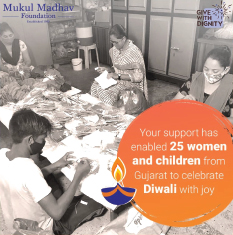
Mukul Madhav Foundation (MMF) has always believed that integrated social work can address mental well-being at its roots. MMF recognises that mental health does not exist in a vacuum; it is deeply tied to physical health, education, and social security.
One of the prime contributions of MMF is its work with Cerebral Palsy (CP). By supporting children with CP through therapy, surgery, and orthotics, they aren’t just treating a physical condition—they are addressing the immense psychological burden on both the children and their caregivers. Similarly, through the “Period Positive Holiday Homes” initiative, MMF tackles the mental trauma caused by social exclusion and gender-based discrimination. By providing dignity and economic self-reliance, they are building mental resilience at the grassroots level.
Understanding the Importance of Mental Health Awareness
Why is the importance of mental health awareness so central to the work of NGOs? Awareness is the first step toward dismantling the stigma that prevents people from seeking help. When a community understands that depression or anxiety is a medical condition rather than a character flaw, the barriers to treatment begin to crumble.
NGOs working on mental health in India use a multi-pronged strategy to ensure this message reaches every corner of the country:
- Destigmatisation through Education: Organisations focus on “Mind Activation Through Education” (MATE). By targeting adolescents and schools, they ensure that the next generation grows up with the tools to identify anxiety and bullying early on.
- Bridging the Rural-Urban Divide: While urban areas have higher reported stress, rural India suffers from a total lack of resources. NGOs have launched extensive rural programmes to train local community members who provide psychological first aid.
- The “CALM” Philosophy: Awareness is also about preventive care. The Mental Health Foundation (India) advocates for the “CALM” framework: Connectivity, Activity, Learning, and Mindfulness.
Digital Transformation: Accessibility
The rise of digital technology has been a welcome change for mental health NGOs in India. Following the lead of government initiatives like Tele MANAS, NGOs have proactively developed apps and 24/7 helplines. These platforms offer immediate tele-counseling, making support accessible to a teenager in a remote village or a corporate professional working in a stressful city job. This digital bridge is crucial in a country where physical distance and the fear of social stigma often prevent people from seeking help in person.
The Role of Corporate Partnerships
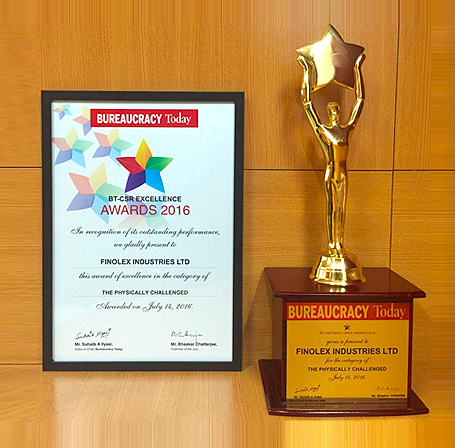
A unique feature of the Indian NGO landscape is the synergy between charitable foundations and Corporate Social Responsibility (CSR). The partnership between MMF and Finolex Industries is one such example. This collaboration allows for a bigger and meaningful impact, funding everything from neonatal care units to water conservation projects. When communities have reliable access to clean water, education, and healthcare, the day-to-day burden of survival eases and with it, a great deal of collective mental strain.
Moving from Awareness to Action
While mental health awareness has improved, the road remains steep. Funding for mental health remains a fraction of the total health budget. Furthermore, moving from “knowing” to “acting” requires a massive scale-up of trained professionals. Currently, NGOs act as the primary buffer, but for a truly developed India, mental health must be integrated into every primary healthcare center in the country.
Way Forward: A Collective Responsibility
The work of organisations in this sphere reminds us that mental health is not just about medical intervention; it is about Empathy, Equality, and Empowerment. By treating mental health as a fundamental human right rather than a luxury, these organisations are helping build a more resilient nation.
As we look toward the future, the goal is clear: to create a society where “not being okay” is met with a helping hand rather than a hushed whisper. We must continue to support NGOs working on mental health in India, share their resources, and most importantly, keep the conversation alive. After all, a healthy nation is built on the foundation of healthy minds.
How You Can Help:
- Support: Contribute to the mental health initiatives of Mukul Madhav Foundation.
- Learn: Understand the importance of mental health awareness to support those in your immediate circle.
- Share: Use your platform to highlight the work of your favorite mental health NGO in India.