Preserving Rivers & Beaches
Water Conservation in India: Strengthening Water Security and Sustainable Rural Development
19 Nov 2026
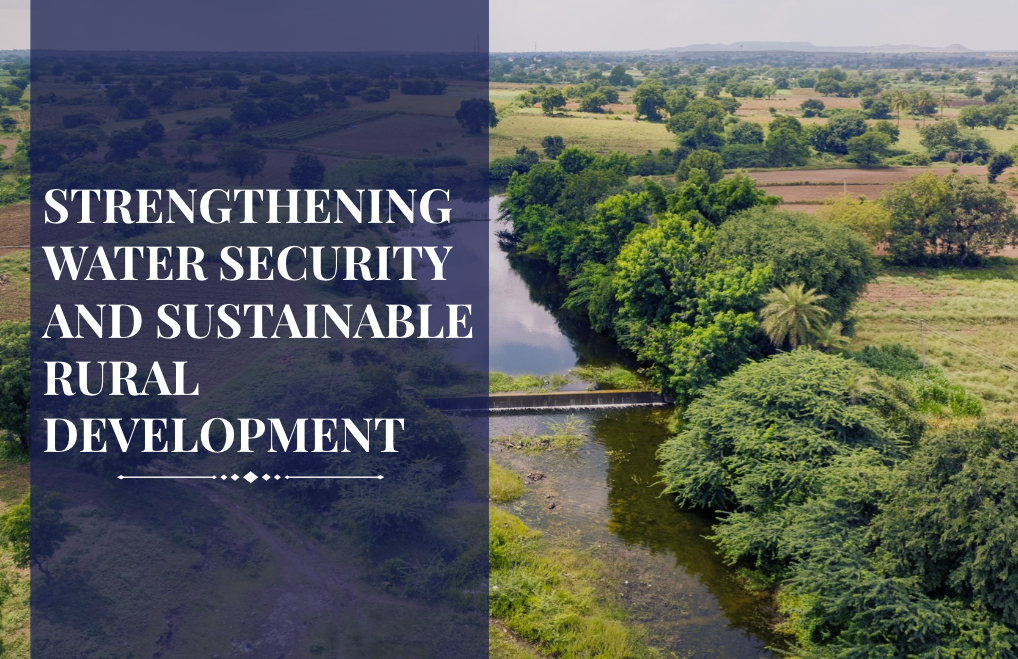
Water is the foundation of life, agriculture, livelihoods and sustainable development. Yet, access to adequate water remains a significant challenge across many rural regions of India, particularly in drought-prone areas where irregular rainfall, declining groundwater levels and increasing agricultural demand place immense pressure on already limited resources.
Water conservation in India has become essential not only for addressing water scarcity but also for ensuring sustainable rural development, agricultural productivity and long-term community resilience. Effective water conservation projects help improve groundwater recharge, strengthen irrigation systems, protect ecosystems and support the livelihoods of millions of rural households.
Recognising these challenges, Mukul Madhav Foundation (MMF), in association with Finolex Industries Limited, has been implementing water conservation and rural development initiatives since 2007. Through watershed development, stream excavation, desilting, groundwater recharge, check dam construction and improved drinking water infrastructure, MMF is helping rural communities build a more water-secure future.
Our approach goes beyond addressing immediate shortages. It focuses on creating sustainable water resources that support agriculture, improve community well-being and strengthen environmental sustainability for future generations.
Why Water Conservation is Essential for Rural Development in India
Water security is closely linked to nearly every aspect of rural development. Agriculture, livestock, health, sanitation and local economies all depend on reliable access to water.
In many drought-prone regions, declining groundwater levels and erratic rainfall patterns directly affect crop production, household incomes and food security. Limited water availability also places a disproportionate burden on women and girls, who often spend hours every day collecting water for household use.
Water conservation projects play a vital role in:
- Improving agricultural productivity
- Enhancing groundwater recharge
- Supporting sustainable livelihoods
- Strengthening climate resilience
- Improving access to clean drinking water
- Reducing distress migration
- Advancing environmental sustainability
By investing in long-term water management solutions, rural communities can become more resilient, productive and self-reliant.
Water Conservation Projects Through Watershed Development
Effective watershed management is one of the most powerful tools for strengthening water security in rural India. Healthy watersheds improve water retention, reduce runoff and support groundwater recharge, helping communities make better use of seasonal rainfall.
MMF has implemented water conservation projects across drought-prone districts including Solapur, Beed, Satara, Sangli and Latur. These initiatives focus on:
- Increasing water storage capacity
- Restoring natural drainage systems
- Improving groundwater recharge
- Reducing soil erosion
- Strengthening irrigation resources
Stream Excavation and Desilting to Restore Water Channels
Stream excavation and desilting are among the Foundation’s key interventions. Projects such as the Padali Gaon-Dhane Wasti and Garewadi-Korti Gaon stream development works in Solapur have helped restore natural water channels and improve rainwater retention.
Removing accumulated silt from streams, lakes and canals increases their water-holding capacity and promotes groundwater percolation. These improvements support irrigation, livestock management and other critical rural needs.
Check Dams and Cement Nala Bunds for Groundwater Recharge
MMF has supported the construction and repair of Cement Nala Bunds (CNBs), check dams and other water conservation structures that help:
- Slow surface runoff
- Increase groundwater recharge
- Prevent soil erosion
- Improve local water availability
In Solapur district alone, these interventions have contributed to the recharge of more than 370 open wells and 820 borewells, strengthening groundwater resources and agricultural sustainability.
Water Conservation Success Stories from Rural India
The true impact of water conservation is best understood through the communities that benefit from it.
Sautada, Beed: Improving Water Storage Capacity
In Sautada village in Beed district, MMF partnered with Bharatiya Jain Sanghatana (BJS) to implement water conservation and desilting initiatives aimed at addressing chronic water scarcity.
Approximately 30,000 cubic metres of accumulated silt were removed, significantly improving the storage capacity of local water resources.
The intervention is expected to strengthen water availability for over 4,500 residents, while supporting agricultural productivity, livestock management and broader community needs.
Katphal: Supporting Agriculture and Dairy Development
In Katphal village, water conservation projects focused on the construction and restoration of check dams to improve local water availability.
Enhanced irrigation resources have supported agricultural development while creating opportunities for dairy-based livelihoods. The village’s reported milk production of over 15,000 litres per day highlights the importance of dependable water resources in strengthening rural economies.
Rede: Improving Irrigation and Agricultural Productivity
In Rede village, canal deepening and rainwater harvesting interventions have improved irrigation potential across more than 400 acres of agricultural land.
Improved water access has enabled farmers to cultivate sugarcane, fruits, vegetables and other crops, promoting agricultural diversification and enhancing income opportunities.
Such initiatives also help reduce distress migration by creating sustainable livelihood opportunities closer to home.
Clean Drinking Water Initiatives for Rural Communities in India
Water security extends beyond agriculture. Access to safe drinking water is essential for public health, sanitation and overall quality of life.
In many remote and rural areas, families face acute water shortages during summer months. Women and girls are often disproportionately affected, spending valuable time and effort collecting water from distant sources.
To address these challenges, MMF has invested in a range of drinking water solutions:
- Borewell installation
- Solar-powered pumping systems
- Community water facilities
- Water filtration systems
- Water purification infrastructure
Emergency Water Support
In water-scarce regions such as Golap in Ratnagiri, MMF has provided drinking water tanker services during periods of severe shortage, helping communities access safe water when they need it most.
Water Facilities for Vulnerable Communities
The Foundation has also installed water purifiers and cold-water dispensers in hospitals and residential care facilities, including centres that support people living with HIV.
These initiatives improve health outcomes, support hygiene practices and enhance dignity while reducing the burden on vulnerable households.
Water Access and Women Empowerment
Access to water is closely linked to women empowerment in India.
When women no longer spend hours fetching water each day, they gain time to pursue education, participate in livelihood programmes, engage with self-help groups and contribute to community leadership initiatives.
Improved water infrastructure therefore creates benefits that extend far beyond basic water access.
Sustainable Agriculture and Efficient Water Management
Long-term water security depends not only on conserving water but also on using available resources more efficiently.
Agriculture remains one of India’s largest consumers of freshwater. As water availability becomes increasingly uncertain, adopting sustainable agricultural practices has become critical.
MMF promotes a range of water-efficient farming techniques, including:
- Drip irrigation
- Sprinkler irrigation
- Mulching
- Soil moisture conservation
- Climate-resilient crop management
Micro-irrigation systems can significantly reduce water consumption while improving irrigation efficiency and supporting crop productivity.
The Foundation also supports farmer awareness programmes focused on:
- Crop planning
- Soil health management
- Water-efficient farming
- Sustainable agriculture practices
By combining water conservation infrastructure with sustainable agriculture, communities can maximise the long-term benefits of available water resources.
Impact at a Glance
Through its water conservation and watershed development initiatives, MMF has contributed to measurable improvements in water security across rural communities.
Key Impact Indicators
- 7+ villages covered
- 4,000+ families benefited
- 24,000+ people reached
- 370+ open wells recharged
- 820+ borewells recharged
- Multiple stream restoration and desilting projects completed
- Expanded irrigation access across hundreds of acres of farmland
These interventions continue to strengthen agricultural productivity, groundwater resources and community resilience.
How Water Conservation Supports Sustainable Development Goals
Water conservation is closely connected to environmental protection, public health, agriculture and economic development.
MMF’s initiatives contribute to several United Nations Sustainable Development Goals (SDGs):
SDG 6 – Clean Water and Sanitation
Improving access to safe drinking water, groundwater recharge and sustainable water management.
SDG 2 – Zero Hunger
Supporting agricultural productivity and sustainable farming systems.
SDG 1 – No Poverty
Strengthening livelihoods and income opportunities within rural communities.
SDG 13 – Climate Action
Helping communities adapt to climate-related water stress and increasing environmental resilience.
SDG 15 – Life on Land
Supporting soil conservation, ecosystem restoration and sustainable land management.
SDG 17 – Partnerships for the Goals
Encouraging collaboration among communities, nonprofits, government institutions and corporate partners.
By integrating water security with environmental sustainability, MMF promotes holistic and sustainable rural development.
Building Long-Term Water Security Through Partnerships
Addressing water scarcity requires collaboration.
MMF works alongside local communities, technical experts, government institutions and implementation partners to identify priority areas and develop sustainable solutions that address local needs.
Partnerships with organisations such as Bharatiya Jain Sanghatana have helped expand the reach and effectiveness of water conservation projects in drought-prone regions.
Community participation is equally important. The long-term success of watershed development and groundwater recharge initiatives depends on local ownership, responsible water use and ongoing maintenance of water conservation structures.
Through partnership-driven approaches, MMF continues to strengthen water security while delivering long-lasting environmental and social impact.
Conclusion: Conserving Water, Securing the Future
Water conservation is one of the most important investments in sustainable rural development. Reliable water resources support agriculture, improve public health, strengthen livelihoods, promote environmental sustainability and enhance community resilience.
Since 2007, Mukul Madhav Foundation, in association with Finolex Industries Limited, has been working to address water scarcity through practical, community-focused and environmentally responsible interventions.
From watershed development and stream restoration to groundwater recharge, clean drinking water initiatives and sustainable agriculture programmes, these efforts continue to strengthen water security across rural India.
Every water conservation project contributes to stronger livelihoods, healthier ecosystems and more resilient communities. As climate variability and pressure on natural resources continue to grow, sustainable water management will remain central to the future of rural development in India.
Because every drop truly counts.
To learn more, explore our water conservation projects, or support water security in rural India by making a donation to Mukul Madhav Foundation.
Frequently Asked Questions (FAQs)
What is water conservation?
Water conservation refers to the responsible management and efficient use of water resources to ensure sustainable availability for current and future generations.
Why is water conservation important in India?
Water conservation is important because many parts of India face water scarcity, groundwater depletion and irregular rainfall patterns that affect agriculture, livelihoods and access to drinking water.
What are watershed development projects?
Watershed development projects improve water retention, groundwater recharge and soil conservation through interventions such as check dams, stream restoration, desilting and rainwater harvesting.
How does water conservation support agriculture?
Water conservation improves irrigation availability, enhances crop productivity, reduces dependence on rainfall and supports sustainable farming practices.
How do water conservation projects benefit rural communities?
Water conservation projects strengthen drinking water access, improve agricultural productivity, support livelihoods, recharge groundwater and increase resilience to drought conditions.
What role do NGOs play in water conservation?
NGOs support water conservation through watershed development, groundwater recharge, rainwater harvesting, community awareness programmes and clean drinking water initiatives that contribute to sustainable rural development.